
Published: 2026-02-25 | Updated: 2026-02-25
Underwater dance, hunting, taking photos, or just exploring underwater—that's all part of freediving.Usually however,when people mention freediving, they mean diving way down deep on just one breath. This article is for people who are just starting out with freediving and breath-hold diving.
Freediving is an experience unlike any other. It takes you into a world that modern humanity has largely lost, and for many people it becomes a form of self-discovery. Using a specific breathing technique, being head-down in the water, and coordinating the body in three dimensions is very different from everyday life. Combined with the aquatic environment, this creates a unique challenge and highlights the importance of mental preparation in freediving.
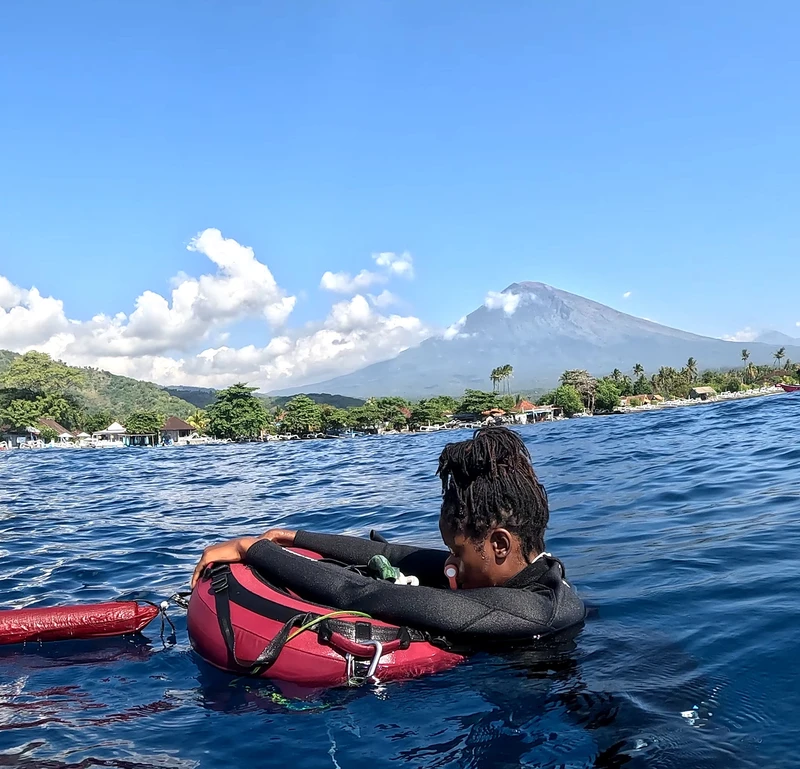
As a freediving training institution and freediving school in Bali, we see freediving not only as a sport but as a learning process. Our focus is to help individuals learn to freedive safely through responsible and structured training.
This guide is intended for beginners who want to get the most out of their first freediving course or other entry-level freediving training.
Choosing the Right Location for Your Freediving Course
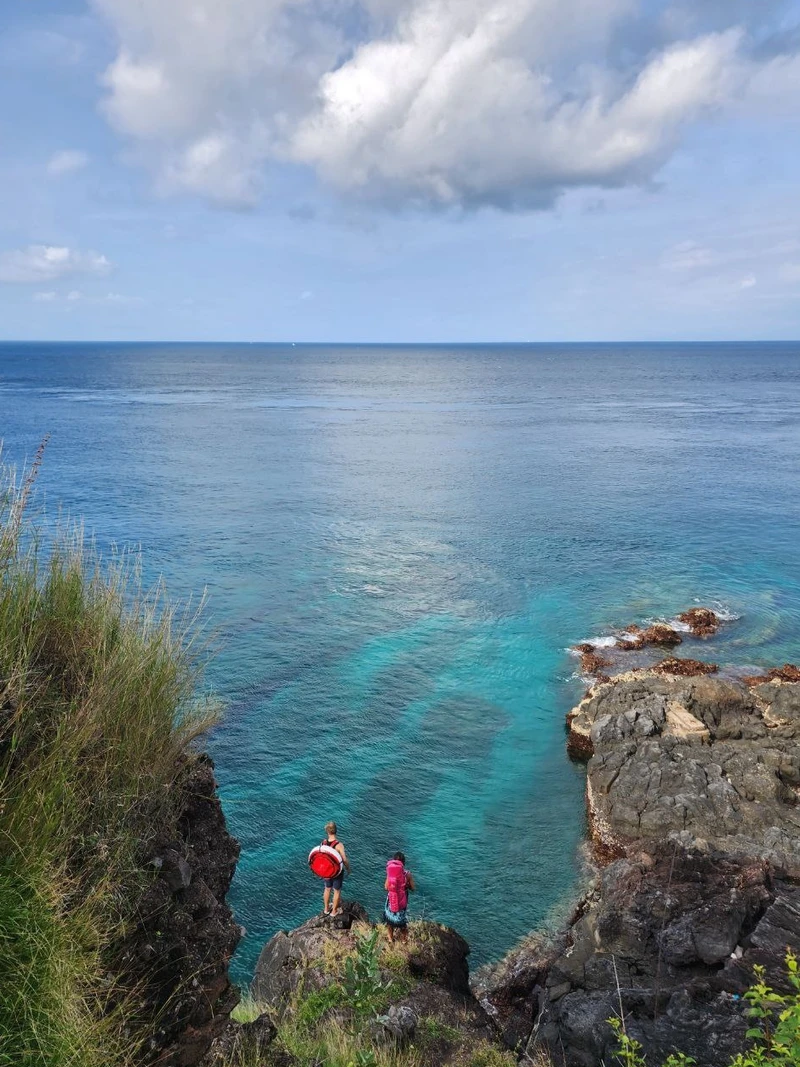
The first step in preparing for a freediving course is choosing the location where your journey begins and understanding its specific conditions. Depending on your schedule, logistics, and budget, you might choose anything from a pool session in your hometown to an ocean-based freediving course.
For students preparing for freediving courses in Amed, Bali, it helps to understand the seasons, climate adaptation, and general water conditions. Bali is a paradise for freedivers, offering year-round diving, warm water temperatures around 28–30°C, and a tropical climate. The island has dry and rainy seasons, which can slightly affect visibility, but overall conditions remain suitable for freediving throughout the year. Even during the busier months between late June and early September, Amed remains a calm coastal village with a relaxed pace of life, making it a popular location for a freediving course in Bali.
Freediving training benefits from slowing down, so planning at least one extra day before your course allows time for rest and adjustment. Organizing accommodation, transportation, and daily routines in advance helps you arrive focused and ready to learn, supporting safe and structured freediving practice.
Amed offers warm water and generally calm conditions, making it an excellent place for a beginner freediving course and for those who want to start freediving with confidence.
Mental Preparation for Beginner Freedivers
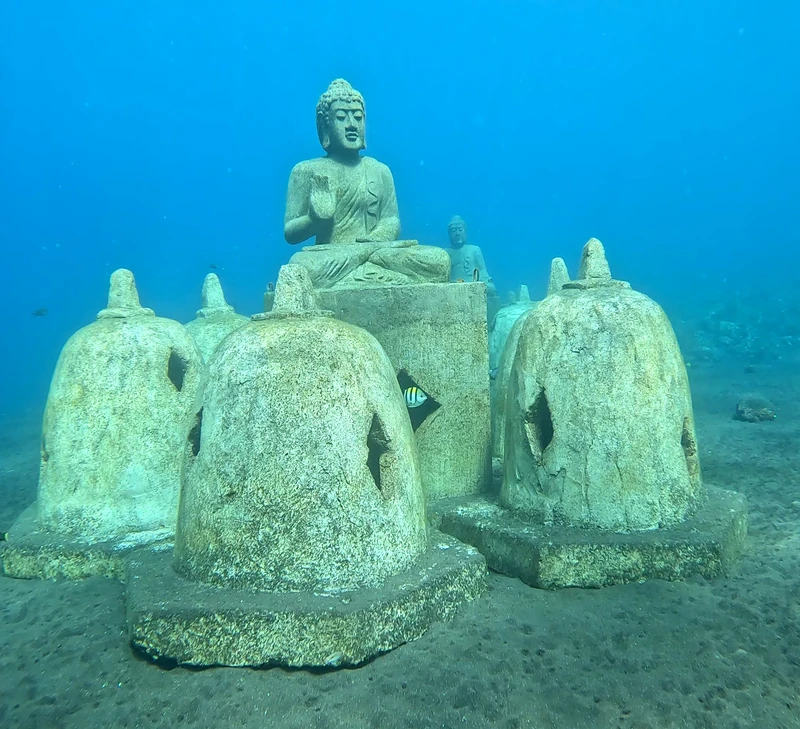
You may have read, “Freediving is surprisingly mental,” and indeed it is. Mental preparedness plays a key role, yet freediving may also become a means of self-balancing and self-expansion. Freediving is any activity done while holding your breath under the water. For a human, this is not a common experience. A natural reaction will come with increased alertness, a bit higher pulse rate, and discomfort. Being aware of this first is the way to successfully finish with breath-hold diving. As a matter of fact, this is comparable to everyday situations where discomfort does not prompt you to react.
The gateway to freediving is relatively non-threatening. Unlike many sports, you will immediately be given opportunities for breathing-hold training and basic depth work in the first lessons. Of course, it is also important to adjust your mindset. One key concept is that you need to make your mind like water, not like stone, and therefore not fixate on specific figures. Having specific depth or time goals, or competitiveness with fellow learners, may cause insistent tension in your body, and tension is metabolically wasteful. It starts with becoming aware. Paying attention to tightened shoulders, clenched jaw, or hurried respirations is quite often the first step. Relaxation is the answer, and learning how to do it correctly is the real lesson.
Physical Preparation Before a Beginner Freediving Course
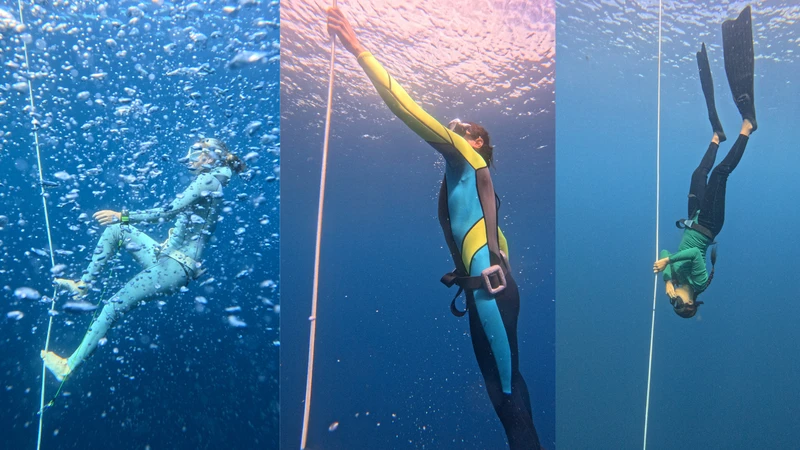
The division between body and mind is mostly theoretical, used to separate physical strength from emotional and mental functions. In reality, they constantly influence one another. That is why mental readiness should be supported by a reasonable level of physical fitness to get the most from your beginner freediving course. We are speaking about moderate strength, not athletic performance.
The most important physical skill is swimming. This is not about speed or distance, but about confidence in open water with small waves or mild currents. If possible, practicing this before your course can make a noticeable difference.
A moderate level of fitness helps you handle muscle work during training and maintain energy for learning new skills. Unfamiliar movements often require more energy, both because of technique and mental concentration.
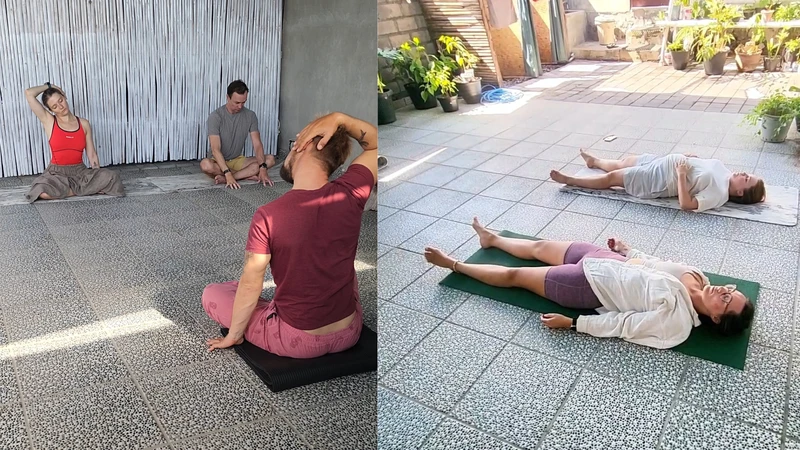
Freedivers also spend time stretching. Yoga or simple mobility work supports flexibility and smoother movement in the water.
Overall, relaxation and comfort matter more than force. Avoid overtraining before your course, and give your body enough rest to perform at its best.
Freediving Breathing Techniques and Equalization Basics
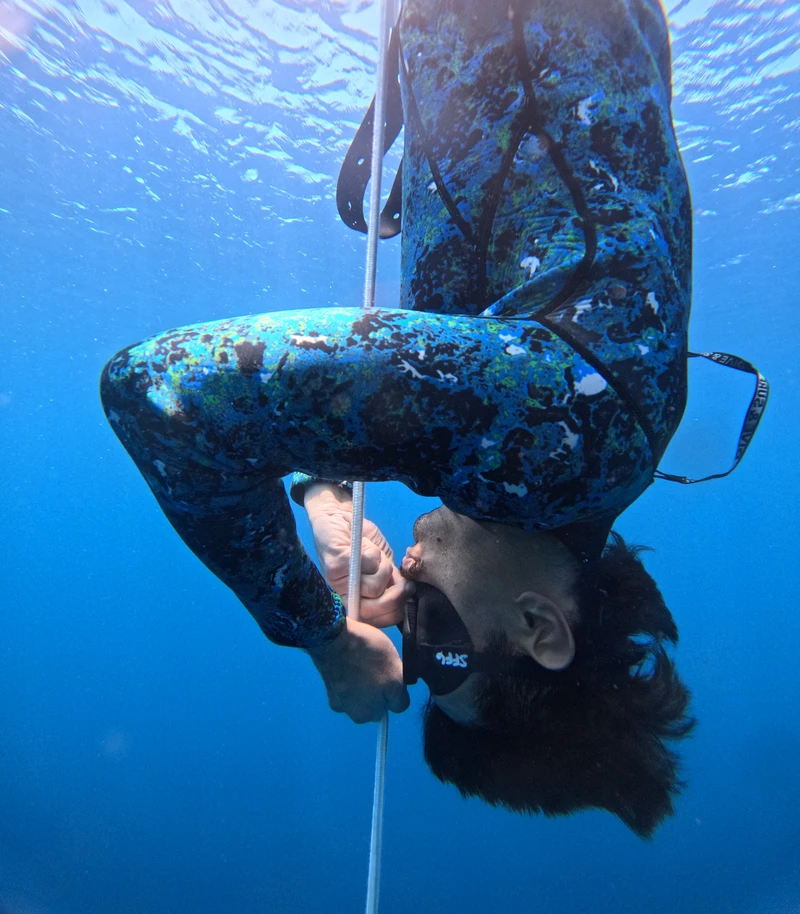
Two of the key areas covered in every freediving course are pressure/equalization and breathing. Both are covered in depth during a Level 1 course theory session, but for the sake of this article, we will give a brief overview of what to expect.
Breathing
Breathing is a vital function, and freedivers use the quality of their breathing more than most people. There is much literature on healthy and controlled breathing for general health, but its use in freediving is a specialized area.
The aim of freedivers is to breathe fully before each dive, but it has to be comfortable enough to enable proper relaxation while in the water. Even though breathing normally is a diaphragmatic action, in freediving, you learn to breathe by using both your diaphragm and your chest to breathe fully. A slow and gentle breath in will give you the maximum amount of air without straining. Another critical part of freediving is the way you breathe before you make a dive. Breathing has to be calm and natural. Hyperventilating is dangerous and should never be done, as it decreases the CO₂ levels in the body and prolongs the time before you feel the urge to breathe, which is the first warning signal of your body while freediving.
Equalization and Pressure
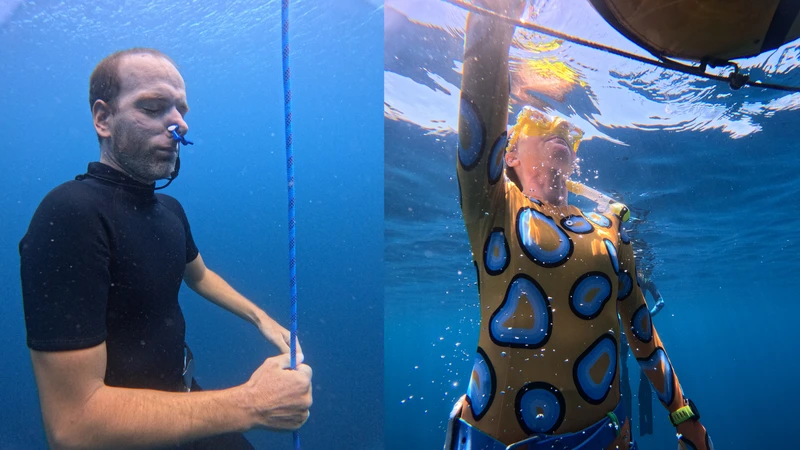
Pressure and equalization are the second fundamental subject of all freediving courses. The deeper you go, the faster the water pressure increases. At 10 meters, the pressure is already twice as strong as at the surface. All gas-filled spaces in the body are compressed, and the ears are particularly sensitive to this.
Equalization is the method of equalizing the pressure in the middle ear with the surrounding water pressure. It has to be done early, ideally before the pain starts. If you wait for the pain, you are definitely too late. Equalization has to be done carefully and regularly. Otherwise, injuries and interruptions in your training are likely.
A lot of newbies find out that popping your ears is more about chilling out and staying loose than about being strong. If your neck or jaw is tight, it can mess things up, so staying calm and breathing easy is key to doing well underwater. You'll pick up the right tricks bit by bit during the course, with your instructor keeping an eye on things. Until then, don't go diving too deep if you aren't ready.
Health Requirements for a Safe Freediving Course
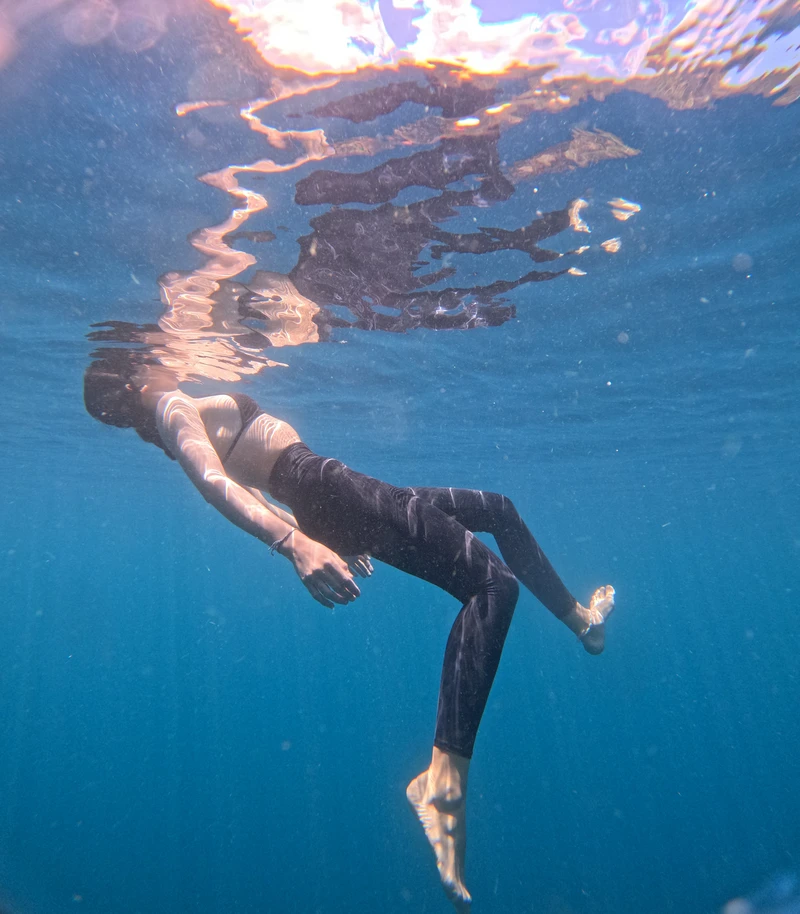
Even though freediving looks chill, it's tough on your body. Being healthy helps you handle the pressure and breath-holding safely. Got a cold, stuffy sinuses, or a blocked nose? Skip diving for now. If you can't breathe well or clear your ears easily on land, going underwater is risky.
Pressure changes really mess with your ears and sinuses as you go down, so feeling good is super important for staying safe. If you have breathing problems like asthma, chat with a doctor before signing up for a class. Freediving also affects your heart rate and blood pressure, so a healthy heart helps you stay calm and adjust well in the water.
Staying hydrated is key for freediving. Good hydration helps your blood flow, keeps you comfy, and sharpens your focus. Even a little dehydration can mess with your dive. Skip the alcohol before diving—it messes with your head, coordination, and how fast you bounce back, not to mention it dehydrates you.
Eating a big meal right before diving isn't a great idea; it can make things uncomfortable. Go for something light a few hours before. Getting enough sleep before you dive helps your body recover and keeps your mind in the game. Best thing to do is listen to your body and not push too hard when you feel uncomfortable. That's how you stay safe and improve the right way.
What Happens During a Level 1 Beginner Freediving Course
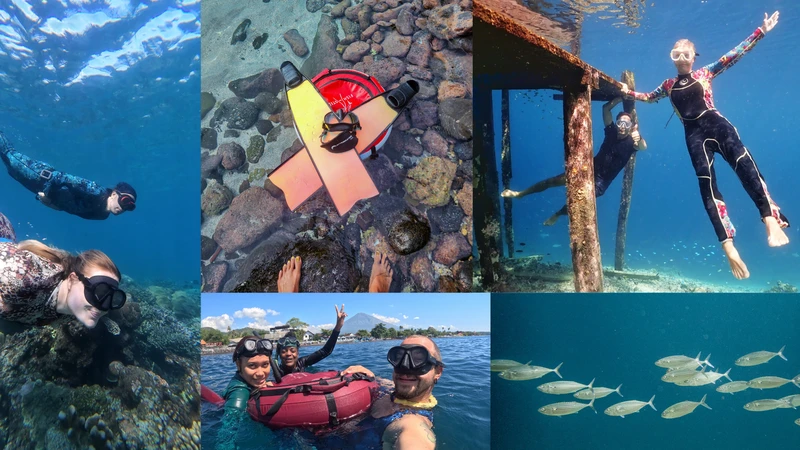
A beginner freediving course usually has three parts: classroom learning, pool training, and open water dives. This setup helps you learn the basics first and then practice them bit by bit in a safe space.
In the classroom, you'll learn about how your body works, breathing methods, how to equalize, and important safety guidelines. The point is to get a good grasp of things before you get in the water. In the pool, you'll practice holding your breath while staying still and while swimming, so you can learn to relax and get comfortable while someone watches you closely.
During open water lessons, you’ll learn how to train at different depths with instructors showing you what to do. Safety rules and the buddy system are super important during the whole thing. Don't worry about being the best—doing things right and staying safe always comes first.
Lots of beginners have trouble with things like equalizing, relaxing, or learning the duck dive, but that’s totally normal. To get certified, you just need to meet the basic requirements and show you can do it safely. Once you finish Level 1, you’ll know exactly what to do next if you want to keep going.
Final thoughts
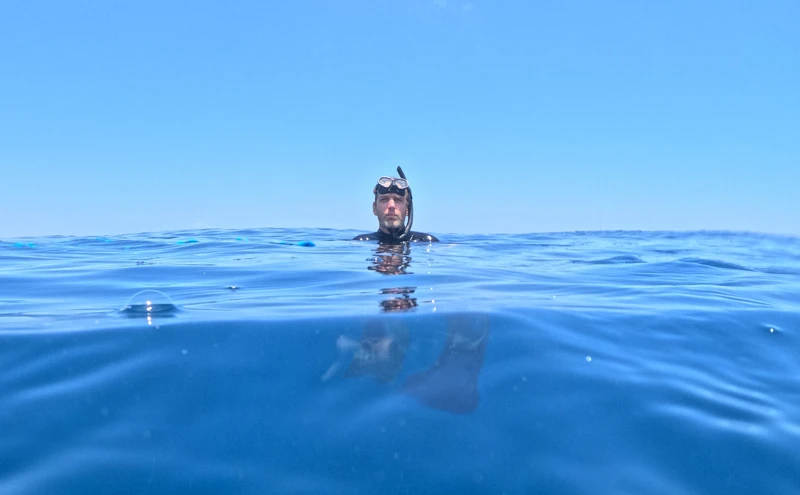
Getting ready for a freediving course isn't about trying to go as far as possible. It's more about getting to know yourself, understanding the water, and being careful. If you're a beginner, it helps to be ready in your mind, in decent shape, know how to breathe right, and equalize safely. If you take the time to get these things down, you can learn safely and get a lot out of it.
Your first Level 1 freediving class will walk you through it all, teaching you what you need to know and training you in a safe way. Show up rested, know a little about what's going on, and be ready to learn. That way you can really get into it instead of just trying to get a certain result. Freediving starts with getting ready, but it gets better if you keep at it, stay calm, and train in a smart way.